
Indoor Air Quality
Good health isn’t just about the food we eat, it also includes the quality of the air we breathe. In Florida, where most homes are completely closed up to run the air conditioning and keep the heat out, the indoor air can become more polluted than the air outside.
In many homes the air inside is too humid, stuffy, and full of dust, pollen, dander, mold, and other airborne pollutants, and it plays a major role in your family’s health, comfort, and overall well-being.
Indoor Air Quality (IAQ) refers to the condition of the air within your living space and since most people spend the majority of their time indoors, especially at home, maintaining good air quality is important.
Improving your home’s indoor air quality doesn’t have to be overwhelming. Small steps—like cracking open a window, using greener products, servicing your HVAC system, and monitoring humidity—can add up to big benefits. Many homeowners also invest in air quality monitors to keep track of pollutant levels and respond accordingly.
At the end of the day, clean air is part of a healthy home. By staying proactive and making a few smart choices, you can protect your family’s health and create a more comfortable, breathable living environment for everyone under your roof.
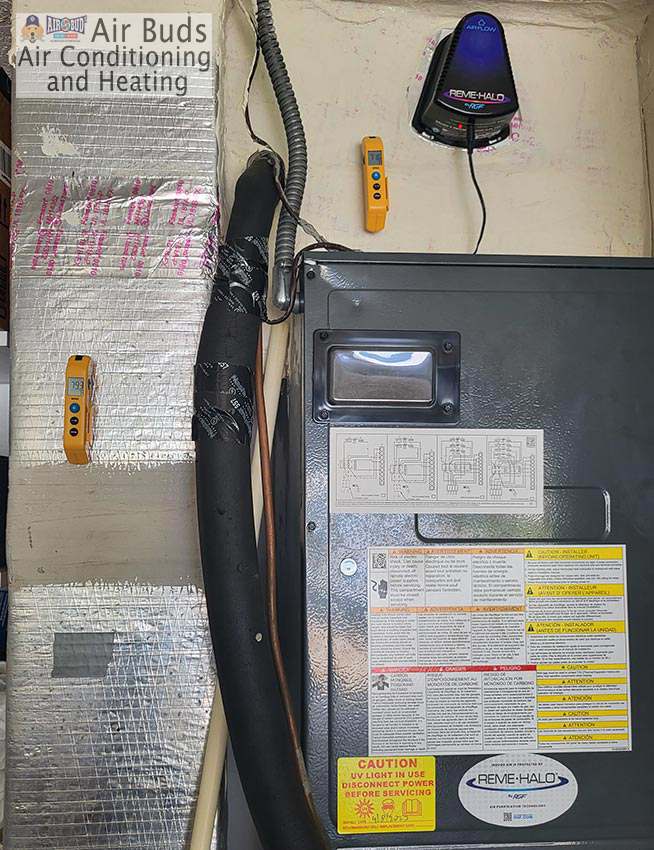
Ultraviolet Germicidal Lights
Ultraviolet light technology is our answer to cleaner indoor air. Adding a UV lamp to the air handler of your home’s air conditioning system removes mold and germs from the air that could endanger you and your family. UV lights also are an excellent method for getting rid of unpleasant aromas and smells in your house.
Installing a UV light is a minor price to pay for better air quality because it requires little upkeep and has low operating expenses. Because of the moist air inside your air handler, it’s the perfect place for molds, viruses, pathogens, bacteria, and other organisms to breed and be spread throughout your house.
What are UV lights?
UV germicidal lights (also known as UV-C lights) are special ultraviolet lamps installed inside HVAC systems to help clean the air and reduce the buildup of harmful microorganisms. These lights use a specific wavelength of ultraviolet light—UV-C, typically around 254 nanometers—which has been proven to destroy or deactivate bacteria, viruses, mold spores, and other pathogens.
They’re not new technology—UV lights have been used for many years in hospitals, labs, and water treatment facilities to disinfect surfaces and air. Now, more homeowners are using them as part of their indoor air quality strategy.
How Do UV Lights Work in HVAC Systems?
Microorganisms in your air handling system are exposed to germicidal UV radiation, which damages their cell walls and either kills or stops them from proliferating.
UV germicidal lights are typically installed in one of two places:
Coil Sterilization (most common):
A UV lamp is placed near the evaporator coil of your HVAC system. This area is dark and damp—perfect conditions for mold and bacteria to grow. The UV light continuously shines on the coil, preventing microbial buildup and keeping your system clean and efficient.Air Sterilization:
Some systems install UV lights inside the ductwork to treat the moving air itself. As air passes through the HVAC system, the UV light helps neutralize airborne pathogens before they reach your living space.
Are UV Lights Safe?
Yes—when you have a professional install it, UV lights are completely safe. The UV-C light is either inside the ductwork or near components like the coil, so it’s not exposed to people or pets. It’s important to have them installed by a licensed HVAC technician to ensure proper placement and function.
Benefits of UV Lights for Indoor Air Quality
Kills Mold, Mildew, and Bacteria: Prevents harmful microorganisms from growing on coils and in ductwork.
Reduces Allergens and Respiratory Irritants: Helps eliminate allergy triggers like mold spores, improving air for asthma or allergy sufferers.
Neutralizes Some Viruses: While not a guarantee against every airborne virus, UV-C has been shown to reduce the spread of certain viruses.
Improves HVAC Efficiency: A clean coil transfers heat more effectively, reducing strain on your system and lowering energy bills.
Reduces Odors: By targeting biological contaminants, UV lights can help minimize musty or stale smells from mold or bacteria in your HVAC system.
Things to Keep in Mind
Maintenance is Required: The UV bulb needs to be replaced approximately every 12–24 months, depending on the model.
Not a Standalone Solution: UV lights work best in combination with other air quality improvements like proper filtration, ventilation, and humidity control.
If you’re looking for a low-maintenance, long-term solution to help clean the air in your home and keep your HVAC system in top shape, UV germicidal lights are a smart investment in your indoor air quality.
Benefits of
Improving the Quality of Your Indoor Air
There are many benefits that come from breathing clean air at home, making it more than worth the cost of equipment to improve the quality of your indoor air.
- Better Respiratory Health - helps prevent or ease symptoms of asthma, allergies, and other respiratory conditions
- Fewer Illnesses and Infections - cleaner air means fewer airborne viruses, bacteria, and irritants
- Better sleep from reduced congestion, nighttime coughing, and sinus irritation
- Increased Comfort - reduced musty odors, stuffiness, and dryness makes your home feel fresher
- Protection for young and older family members who are more vulnerable to poor air quality
- Lower Utility Bills from clean filters and good airflow
- Less Dust Buildup and easier cleaning
Sources of
Poor Indoor Air Quality
Many things contribute to poor air quality inside a home, and often, it is a combination of factors. Florida is a state known for its high humidity, and allergies year-round. These are some of the most common indoor air pollutants.
- Outdoor air pollution coming in
- AC system not working efficiently and humidity levels too high
- Dander and pet hair from cats and dogs
- Dust mites
- Cigarette smoke
- Candles burning
- Mold and mildew
- Fire retardant fabrics on furniture
- Cleaning products
- Dirty air filters
- Cooking
Tips for
Improving the Air Inside Your Home
Here are some simple habits you can do yourself to help your air conditioning system run more efficiently and improve the overall quality of the air in your home.
- Change your air filters regularly. Work out a schedule you can remember and stick to it. Dirty filters are one of the main reasons ac units develop problems and don’t run well.
- Have your air ducts checked to see if they need to be cleaned.
- Avoid the things you can in the list above that contribute to indoor air pollution.
- Keep a good humidity level in your home, preferably between 40-60% humidity.
- Use the stove vents when cooking and air out the kitchen when odors and fumes build up.